What is a Cult Wine
It isn’t difficult to define what one likes in wine. Even at the infancy of the wine journey, it is easy to recognize the tastes or styles one prefers. Such preference is individual, but some bottles carry a cult status supposedly above taste. But what is a cult wine?
Perhaps the region that offers the clearest example of cult wines is Burgundy. A few wineries create wines that are revered in the wine world in a way that transcends taste. It is irrelevant whether you personally enjoy the wines from Domaine de la Romanée Conti; they possess a cult status. Their sheer rarity and eye watering prices make them a prime example of a cult domaine producing cult wines. While it is difficult to pinpoint precisely why these wines achieve such status, one can assume a blend of quality, marketing, and scarcity.
Scarcity is essential to the creation of a cult wine. Château Mouton Rothschild produces some of the most famous claret in Bordeaux and has an extraordinary history. I could spend a whole evening boring my guests with trivial questions about who painted which vintages or quoting, “Premier je suis, second je fus, Mouton ne change.” Does that make a wine cult? I beg to differ. With large production and declining consumption, almost any vintage of Mouton from the last 20 years is still obtainable at a fair price. Great, yes, but not scarce.
The natural wine movement understood early on the power of cult status. Suddenly, a myriad of obscure winemakers emerged from the shadows, achieving this status. Some were exceptional; others were, let’s say, not my cup of tea. Natural wine cultivates a cult following precisely because its faults are not only accepted but cherished as nature’s mark. Wine isn’t purely natural; it is made by humans. The lesson here is critical: a cult wine requires followers willing to defend it regardless of faults or price. A veneration reminiscent of religious devotion. A cult wine needs dedicated followers.
Cult wines do not require the prestige of a well known appellation. A recent example is Château Lafleur in Bordeaux, which left Pomerol with its 2025 vintage. Appellation may aid in the creation of a cult wine, but it is not essential. Frank Cornelissen exemplifies the modern cult winemaker. Based on the contrefort of Mount Etna, he transformed a small Sicilian appellation, attracting younger consumers and redefining what a cult wine can be.
Inaccessibility is another ingredient. While some cult wineries can be visited, many must remain elusive to maintain the mystique surrounding their wines. This exclusivity can be frustrating for enthusiasts. Years ago, I visited the hills of Gorizia, near Trieste, where remarkable macerated white wines are produced. One producer, who shall remain nameless, rejected my request for a visit. As I do not take no for an answer, the friend I was travelling with tried his luck and faced the same refusal. Part of the game, perhaps, but always disappointing.
Price, too, plays a role. Jura demonstrates this brilliantly. Domaine Ganevat crafts cult wines such as Les Grandes Teppes and Les Chalasses, some of the finest I’ve ever tasted. Prices remain relatively accessible, no more than the cost of a quality pair of loafers. By contrast, Domaine Overnoy Houillon produces wines that, while costing around 40 euros at the winery, can fetch 20 times that on the market. Cult wines indeed, and if I were a wine trader, I would happily light a candle for such markups.
In the end, a cult wine balances scarcity, inaccessibility, and devoted followers. Price may matter, but it is often an effect of rarity rather than a cause of cult status. Such wines are vital; they inspire young winemakers, challenge generational producers, and elevate the craft. Weingut Gantenbein, one of Switzerland’s cult winemakers, set the standard for Pinot Noir and continues to influence countless others. For wine drinkers, the balance lies between curiosity and blind devotion.
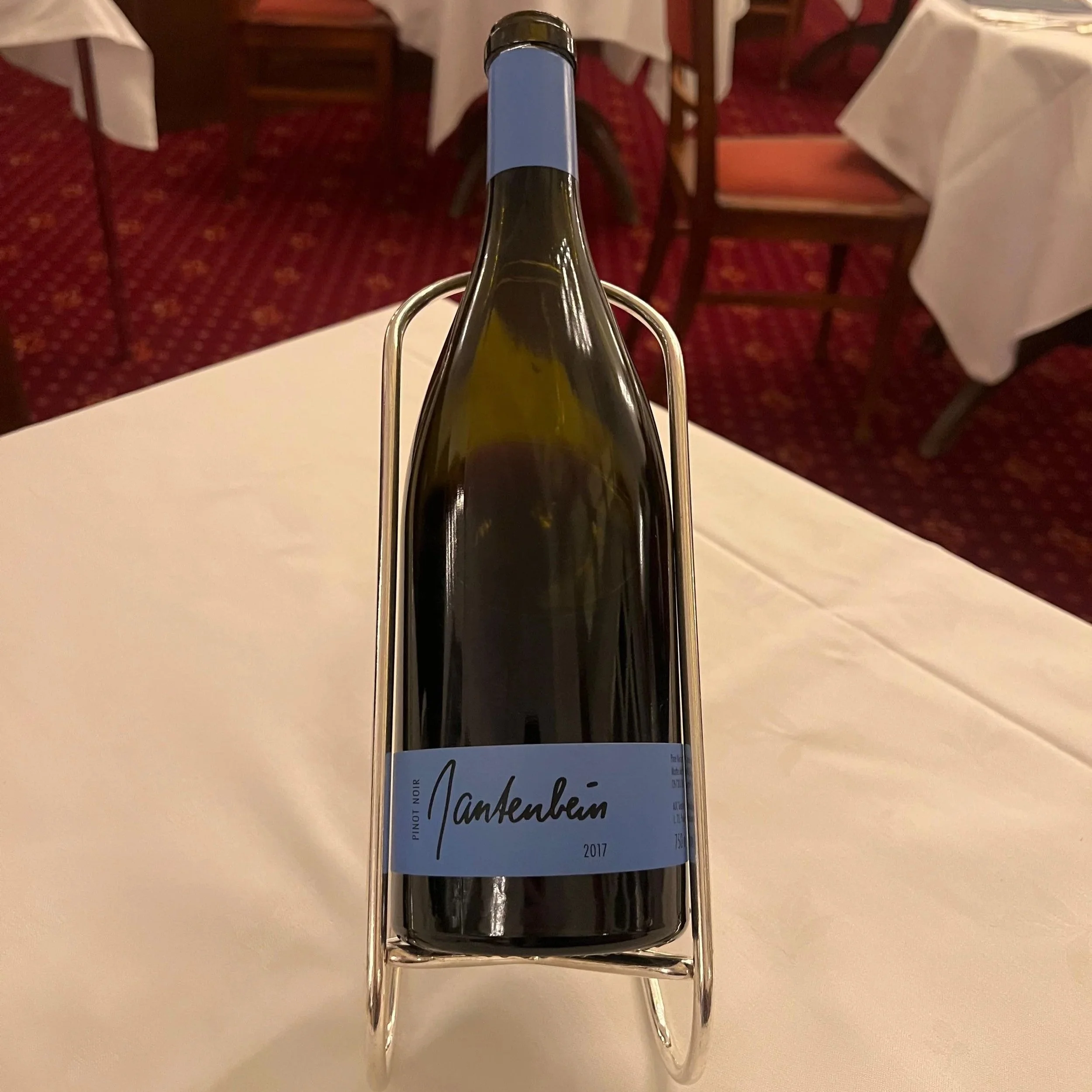
Sils Maria, Switzerland, 2026.